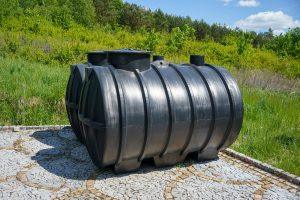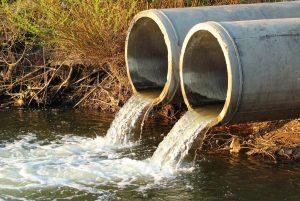


Septic tanks play a vital role in managing wastewater for properties that are not connected to the main sewage system, particularly in rural areas. The efficient operation of a septic system is heavily reliant on proper installation. While some may consider DIY installation or hiring a general contractor, it is crucial to understand why professional civil engineering expertise is essential for installing septic tanks. In this blog post, we will explore the reasons why hiring a professional civil engineer ensures the longevity, efficiency, and safety of your septic system, as well as compliance with environmental regulations.
1. Site Evaluation and Soil Assessment
One of the most critical steps in septic tank installation is the proper evaluation of the site where the system will be placed. The location of a septic tank and its drainage field must be chosen carefully to ensure that wastewater is treated efficiently and does not pose a risk to the environment or public health.
Professional civil engineers are trained to conduct thorough site evaluations, including soil assessments, which are crucial to the success of the installation. Soil composition, permeability, and drainage capacity directly affect the tank’s ability to function properly. Some soils, such as clay, may not absorb water efficiently, while sandy soils may allow wastewater to filter through too quickly, risking contamination of nearby water sources.
A civil engineer will perform tests such as percolation tests to determine the soil’s ability to absorb wastewater and will select the appropriate location and design for the system. Without professional soil assessment, you risk system failure, environmental contamination, or the need for costly future repairs.
2. System Design and Customisation
Septic systems are not one-size-fits-all solutions. Every property has unique needs depending on its size, occupancy, water usage, and site conditions. Professional civil engineers can design a customised system tailored to meet the specific requirements of the property and its occupants.
A well-designed septic system ensures that the tank size, drainage field, and pipework are appropriately configured to handle the expected wastewater load. Civil engineers consider factors such as:
- Household size and water usage
- Proximity to water sources like wells, lakes, or streams
- Local environmental conditions, such as rainfall and groundwater levels
- Regulatory requirements regarding tank size, placement, and filtration methods
By working with a professional, you ensure that your septic system is designed for optimal performance, reducing the likelihood of overloading or system failure. Customisation is particularly important for properties with complex layouts or unique geographical features.
3. Compliance with Local Regulations
Septic tank installations are subject to strict local, regional, and national regulations to prevent environmental damage and ensure public health. These regulations govern everything from the size of the septic tank to the distance it must be from water sources and property boundaries.
Professional civil engineers are well-versed in the relevant regulations and permitting requirements, ensuring that your septic system is fully compliant. Navigating the paperwork and legalities of septic installation can be overwhelming for a homeowner or a general contractor, but civil engineers streamline this process, handling applications, permits, and inspections.
Non-compliance can result in hefty fines, forced modifications, or even the removal of an improperly installed system, which is why professional guidance is so important. Additionally, properly designed and installed systems are more likely to pass inspections required for home sales or refinancing.
4. Proper Sizing and Capacity
One of the most common causes of septic system failure is improper sizing. If a septic tank is too small for the property’s wastewater needs, it will fill up quickly, leading to overflow, blockages, and damage to the system. Conversely, a tank that is too large may not allow enough time for the wastewater to separate, resulting in inefficient treatment.
Professional civil engineers calculate the appropriate size of the septic tank based on factors such as:
- The number of bedrooms in the home (a common indicator of occupancy)
- Average daily water usage per person
- The expected lifespan of the system
They also consider peak water usage periods, such as holidays or times when you may have guests staying over, ensuring that the system can handle occasional surges in wastewater. An accurately sized system reduces the need for frequent pumping and minimises the risk of costly repairs or replacements.
5. Safe Excavation and Installation
Installing a septic tank involves significant excavation work, including digging trenches for the drainage field and creating space for the tank itself. Improper excavation can lead to accidents, damage to utility lines, and costly repairs.
Professional civil engineers have the expertise to safely and efficiently manage excavation, minimising the risks associated with digging. They also ensure that the drainage field is properly graded to allow for the correct flow of wastewater, preventing issues like water pooling or soil saturation.
Moreover, civil engineers understand how to work with a wide variety of materials and can make recommendations on the best components for your system, such as pipes, pumps, and tanks, based on the specific conditions of your property.
6. Long-Term Durability and Reliability
Septic systems are a long-term investment, and proper installation is key to their longevity and reliability. When a professional civil engineer oversees the installation, they take all necessary steps to ensure the system is built to last, reducing the likelihood of future problems.
Issues like tank leaks, pipe blockages, and drainage field failure often result from improper installation techniques. With a professionally installed system, you can expect years of trouble-free operation, as civil engineers take into account not only the current needs of your property but also potential future growth or changes in use.
A well-installed system will last for decades with proper maintenance, saving you time, money, and the inconvenience of dealing with septic system failures.
7. Environmental Protection
One of the primary concerns of any septic system is the potential for environmental harm, particularly contamination of groundwater, rivers, and lakes. A malfunctioning or improperly installed septic tank can release untreated wastewater into the surrounding environment, leading to serious health risks and ecological damage.
Professional civil engineers design and install septic systems with environmental protection in mind. They consider factors like:
- The proximity of the tank and drainage field to water sources
- The risk of flooding or soil erosion
- The ability of the system to properly treat and filter wastewater before it reaches the groundwater
By hiring a professional, you ensure that your septic system is designed to prevent pollution, helping to protect local water quality and maintain a healthy ecosystem.
8. Cost Efficiency
While hiring a professional civil engineer for septic tank installation may seem like an additional expense, it is a cost-effective decision in the long run. Improperly installed septic systems are prone to frequent breakdowns, requiring costly repairs and even replacement. Additionally, fines for non-compliance with local regulations can add to the financial burden.
By ensuring that the system is designed and installed correctly the first time, civil engineers help you avoid unnecessary maintenance costs and system failures. Their expertise can also lead to energy savings and efficient water management, further reducing operational expenses.
Conclusion
The installation of a septic tank is a complex process that requires careful planning, technical knowledge, and adherence to regulations. Professional civil engineering expertise is crucial for ensuring that your septic system is properly designed, safely installed, and compliant with local environmental regulations. From site evaluation and soil assessment to long-term durability and environmental protection, civil engineers play a vital role in the successful installation of septic systems.
By investing in professional civil engineering services, you are safeguarding the reliability and efficiency of your septic system, protecting the environment, and ensuring compliance with all legal requirements. In the long run, this not only saves you money but also gives you peace of mind knowing that your system will operate effectively for many years to come.