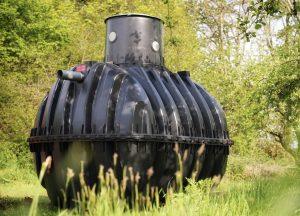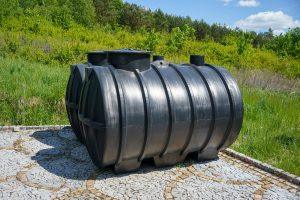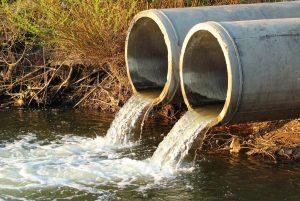

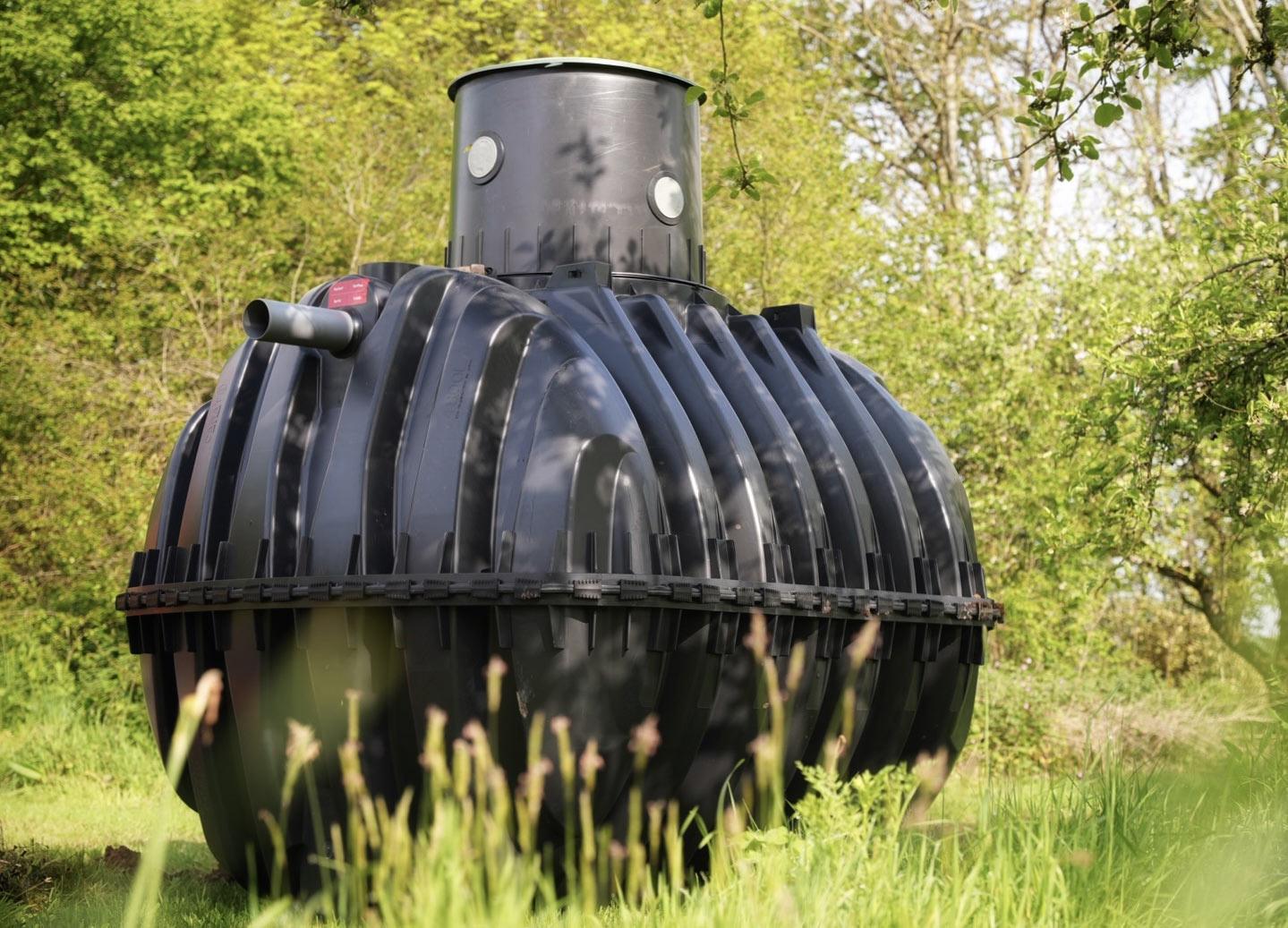
Sewage, or wastewater, includes both grey water from dishwashers, sinks, baths, and showers and black water from toilets. If not treated, this mix can harm the environment by contaminating water sources and upsetting ecosystems. Homeowners and property developers need to manage sewage properly, especially if their property isn’t connected to the main sewer network. A sewage treatment plant treats wastewater on-site, making it safe to return to the water cycle without causing environmental damage.
Need for On-Site Sewage Treatment
In rural or remote areas, properties might not be able to connect to the main sewer network, resulting in property owners having to find a solution to deal with their wastewater on-site.
Proper wastewater management is important for everyone, whether connected to a sewer network or not. Untreated sewage can harm public health and the environment. It contains harmful pathogens and pollutants that can contaminate water sources, spread diseases, and damage aquatic habitats.
Understanding Treatment Plants
Sewage treatment plants serve as vital guardians of our waterways, tasked with the critical mission of transforming incoming waste into a form that can safely re-enter the water cycle. Unlike conventional systems that merely collect and contain wastewater, sewage treatment plants employ sophisticated processes to remove harmful contaminants and pollutants, ensuring that the discharged effluent meets stringent environmental standards.
At their core, a sewage treatment plant acts as a purification hub, harnessing advanced technologies to cleanse wastewater of impurities before releasing it back into the environment. By treating sewage at the source, these plants play a pivotal role in preserving water quality, mitigating pollution, and safeguarding the health of both human populations and ecosystems.
Comparison with Traditional Systems Like Septic Tanks:
While traditional systems like septic tanks have long been fixtures in rural and off-grid settings, they pale in comparison to the comprehensive capabilities of sewage treatment plants. Septic tanks operate on a simplistic premise, relying primarily on gravity to separate solids from liquids and facilitate the partial decomposition of organic matter.
In contrast, sewage treatment plants offer a quantum leap in wastewater treatment technology, incorporating advanced processes and components to achieve superior results. Where septic tanks merely collect and store waste, sewage treatment plants actively treat incoming sewage through a series of mechanical, biological, and chemical processes. This ensures that the effluent discharged from sewage treatment plants is of significantly higher quality, posing minimal risk to the environment and public health.
Components of a Sewage Treatment Plant
Sewage treatment plants consist of primary and secondary chambers, each of which is crucial to the treatment process.
The primary chamber serves as the initial receptacle for incoming wastewater, where the separation of solids and liquids begins. Within this chamber, heavier solids settle to the bottom, forming a layer of sludge, while lighter substances, including oils and grease, float to the surface, forming a layer of scum. Through a process known as sedimentation, the primary chamber facilitates the physical separation of solids from liquids, preparing the wastewater for further treatment.
Adjacent to the primary chamber lies the secondary chamber. Within this chamber, a diverse array of microorganisms, including bacteria and protozoa, thrive amidst a carefully orchestrated environment conducive to rapid decomposition and detoxification of organic matter.
One of the most innovative aspects of modern sewage treatment plants, exemplified by Graf UK’s cutting-edge systems like the One2Clean, is the integration of advanced technologies such as Sequencing Batch Reactor (SBR) technology. In the secondary chamber, oxygen is introduced into the wastewater using air diffusers placed at the chamber’s bottom. This oxygen sustains aerobic conditions vital for aerobic bacteria to thrive, helping break down organic pollutants.
As wastewater moves through the secondary chamber, undergoing aeration and settling phases, microbes decompose organic matter. Bacteria play a crucial role in the sewage treatment process, acting as nature’s cleanup crew to break down organic matter and pollutants present in wastewater. Within sewage treatment systems, bacteria thrive in an environment specially designed to support their growth and activity. As wastewater enters the treatment plant, bacteria begin their work, breaking down complex compounds into simpler, harmless forms through a process known as biodegradation.
These microbial communities, consisting of various species of bacteria, work together to decompose organic substances, such as proteins, fats, and carbohydrates, into their basic components. Through enzymatic reactions, bacteria transform these substances into byproducts like carbon dioxide, water, and minerals, which are less harmful to the environment. This process gradually transforms wastewater from a murky, unpleasant mixture into a clear, odourless effluent, suitable for safe discharge into the environment.
Advantages of Sewage Treatment Plants
The environmental benefits of sewage treatment plants extend far beyond the quality of the effluent they produce. By effectively treating wastewater before discharge, sewage treatment plants help mitigate pollution and reduce harm to ecosystems. Untreated sewage can contain a cocktail of pollutants and pathogens, including excess nutrients like phosphates and nitrates, which pose serious risks to aquatic life and the surrounding environment. However, sewage treatment plants remove these contaminants, ensuring that the discharged effluent is safe for aquatic habitats and ecosystems while also maintaining nutrient neutrality.
Sewage treatment plants play a vital role in preserving water quality and promoting environmental sustainability. By preventing the release of untreated sewage—along with excess nutrients—into water bodies, sewage treatment plants help safeguard precious natural resources and protect fragile ecosystems from degradation. In essence, sewage treatment plants represent a critical component of responsible wastewater management, offering both environmental benefits and peace of mind for communities and ecosystems alike.
Ready to implement sustainable wastewater management solutions? Contact www.burnbridgeservices.com today to learn more about our innovative sewage treatment systems and how they can benefit your project.