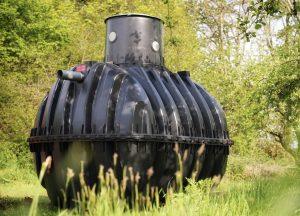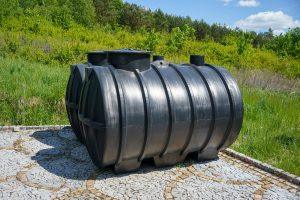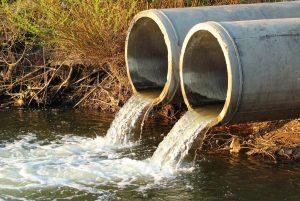


Septic tanks are an integral part of wastewater management for properties that are not connected to municipal sewer systems. They provide an efficient and environmentally friendly solution for processing household waste. However, like all systems, septic tanks require proper maintenance to function effectively. Ignoring routine care can lead to costly repairs, environmental damage, and unpleasant experiences for property owners. In this blog, we’ll explore the essential signs that your septic tank system needs attention, ensuring you can identify problems early and avoid unnecessary complications.
1. Slow Draining Fixtures
One of the most common signs that your septic system requires attention is slow drainage in your sinks, toilets, or showers. While minor blockages in household plumbing can also cause this issue, slow draining across multiple fixtures is often a red flag for a septic tank problem.
The reason for this could be that the tank is nearing its capacity or that solid waste is clogging the system. A blocked outlet pipe or damaged drainage field can also lead to sluggish water flow. If you’re noticing this issue in more than one fixture, it’s time to call a professional for an inspection.
2. Unpleasant Odours
A properly functioning septic tank should not emit foul odours. If you start noticing the smell of sewage inside your home or around your property, it could indicate a serious problem with your septic system. These odours are typically caused by a buildup of waste gases like methane and hydrogen sulphide, which may not be breaking down correctly due to an overfilled tank, blocked vent pipe, or faulty components within the system.
If you detect unpleasant smells, don’t delay in addressing the issue, as it could be a sign of a much larger problem like a leak or a system failure.
3. Pooling Water in the Yard
Another visible sign of septic tank trouble is pooling water or soggy patches in your yard, especially around the location of the septic tank or drainage field. This can occur when your septic tank is full and wastewater is pushed to the surface instead of being absorbed into the soil properly.
A failing drainage field or broken pipes can also lead to wastewater escaping into your yard. If left unchecked, this can lead to environmental contamination, as untreated wastewater contains harmful bacteria and chemicals.
If you notice unexplained wet spots or puddles in areas near your septic system, it’s essential to arrange for an inspection immediately.
4. Lush, Overly Green Grass
While everyone loves a green lawn, unusually lush and vibrant patches of grass over your septic system could indicate a problem. A leaking septic tank or a compromised drainage field can cause wastewater to seep into the surrounding soil, acting as a fertiliser for your lawn.
If you notice greener, healthier grass in a specific area around your septic system, it’s important to check for leaks or drainage issues. Early intervention can prevent environmental damage and costly repairs.
5. Gurgling Sounds in Plumbing
Gurgling sounds coming from your pipes or drains can be a subtle yet important indicator of septic system problems. These sounds often occur when wastewater cannot flow freely due to a blockage or a full septic tank. As the system struggles to process waste, air bubbles become trapped in the plumbing, causing the gurgling noise.
If you hear persistent gurgling in your sinks, toilets, or drains, it’s a good idea to have your septic system inspected by a professional. Catching the issue early can help avoid more significant damage.
6. Backed-Up Sewage
One of the most serious signs that your septic system needs immediate attention is sewage backing up into your home’s drains, sinks, or toilets. This occurs when your septic tank is full or clogged, preventing wastewater from being properly treated and drained.
Sewage backups can cause health hazards, property damage, and significant inconvenience. If you experience this issue, it’s crucial to contact a septic system expert immediately to prevent further contamination or damage.
7. Increased Nitrate Levels in Groundwater
If your property has a private well, high nitrate levels in the water could be a sign that your septic system is failing. When a septic tank or drainage field is not functioning properly, untreated wastewater can leach into the surrounding groundwater, raising nitrate levels.
High nitrates pose health risks, particularly to infants, and can indicate that your system needs repairs or replacement. Regular water testing can help identify this issue before it becomes a serious concern.
8. Excessive Water Use
Excessive water use in your home can also put strain on your septic system, leading to issues such as overloading and premature wear. If you’ve recently had more people living in your home, or your water usage has increased significantly, it’s important to consider how this might affect your septic tank.
To avoid overloading your system, monitor your household’s water consumption and avoid excessive use of water-heavy appliances, such as dishwashers and washing machines. Installing water-efficient fixtures can also help alleviate the strain on your septic system.
9. Long Time Since Last Pumping
Septic tanks require regular pumping to remove the buildup of solid waste that accumulates over time. The frequency of pumping depends on the size of your tank and the number of occupants in your household, but generally, tanks should be pumped every 3 to 5 years.
If it has been a long time since your septic system was last pumped, it’s essential to schedule a service before problems arise. Regular pumping helps maintain the health of your system and prevents overfilling, backups, and damage to the tank.
10. Visible Cracks or Damage to the Tank
Finally, if you can access your septic tank, inspect it for visible signs of cracks or damage. Even small cracks can lead to leaks, allowing untreated wastewater to contaminate the surrounding soil or groundwater.
If you notice any structural damage, have your tank inspected and repaired as soon as possible. In some cases, the damage may be significant enough to require a tank replacement.
The Importance of Regular Septic Tank Maintenance
A well-maintained septic system can last for decades, providing reliable wastewater treatment for your property. However, neglecting maintenance can lead to serious problems, including environmental contamination, property damage, and costly repairs.
To keep your septic tank functioning efficiently, follow these best practices:
- Schedule Regular Inspections: Have your septic system inspected by a professional every 1 to 3 years to catch potential problems early.
- Pumping: Ensure your tank is pumped every 3 to 5 years, depending on usage.
- Monitor Water Usage: Be mindful of your water consumption to avoid overloading the system.
- Watch What You Flush: Only flush biodegradable waste and avoid disposing of non-degradable items like wipes, diapers, or feminine products.
- Keep the Drainage Field Clear: Avoid parking vehicles or placing heavy objects on the drainage field, as this can damage the pipes.
By paying attention to the signs mentioned above and sticking to a regular maintenance schedule, you can ensure your septic system operates smoothly for years to come.
Conclusion
Septic tank maintenance is essential for the health of your system and the environment. By recognising the signs that your system needs attention, you can prevent major issues from developing. If you notice slow draining, foul odours, pooling water, or other symptoms of septic trouble, don’t delay in calling a professional. Proper care and timely maintenance will save you time, money, and the stress of dealing with an overflowing or malfunctioning septic tank.