
As environmental awareness continues to grow, businesses are increasingly recognising the importance of adopting sustainable practices to minimise their impact on the planet. One of the most significant areas where companies can make a positive change is in waste treatment. By implementing eco-friendly waste treatment solutions, businesses can not only reduce their environmental footprint but also improve operational efficiency and cost-effectiveness. In this blog post, we will explore the various eco-friendly waste treatment solutions available to businesses, their benefits, and why sustainability in waste management is crucial for long-term success.
The Need for Sustainable Waste Treatment
Waste treatment is an essential process for businesses across industries, particularly those in manufacturing, food processing, hospitality, and other sectors that produce large volumes of waste. Improper waste management can lead to environmental pollution, depletion of natural resources, and long-term harm to ecosystems.
Traditional waste treatment methods, such as landfill disposal and incineration, contribute to greenhouse gas emissions and air pollution. As businesses seek to align with global sustainability goals and reduce their carbon footprint, adopting eco-friendly waste treatment solutions has become more important than ever.
By prioritising sustainable waste management, businesses can reduce their environmental impact, meet regulatory compliance, and improve their brand’s reputation. Furthermore, eco-friendly waste treatment often results in cost savings through improved efficiency and reduced reliance on finite resources.
1. Wastewater Treatment Systems
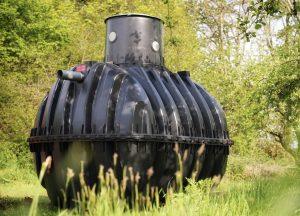
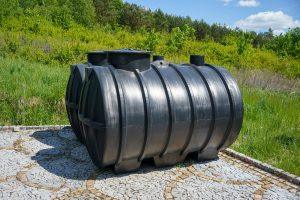
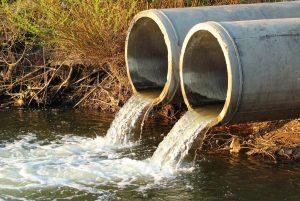
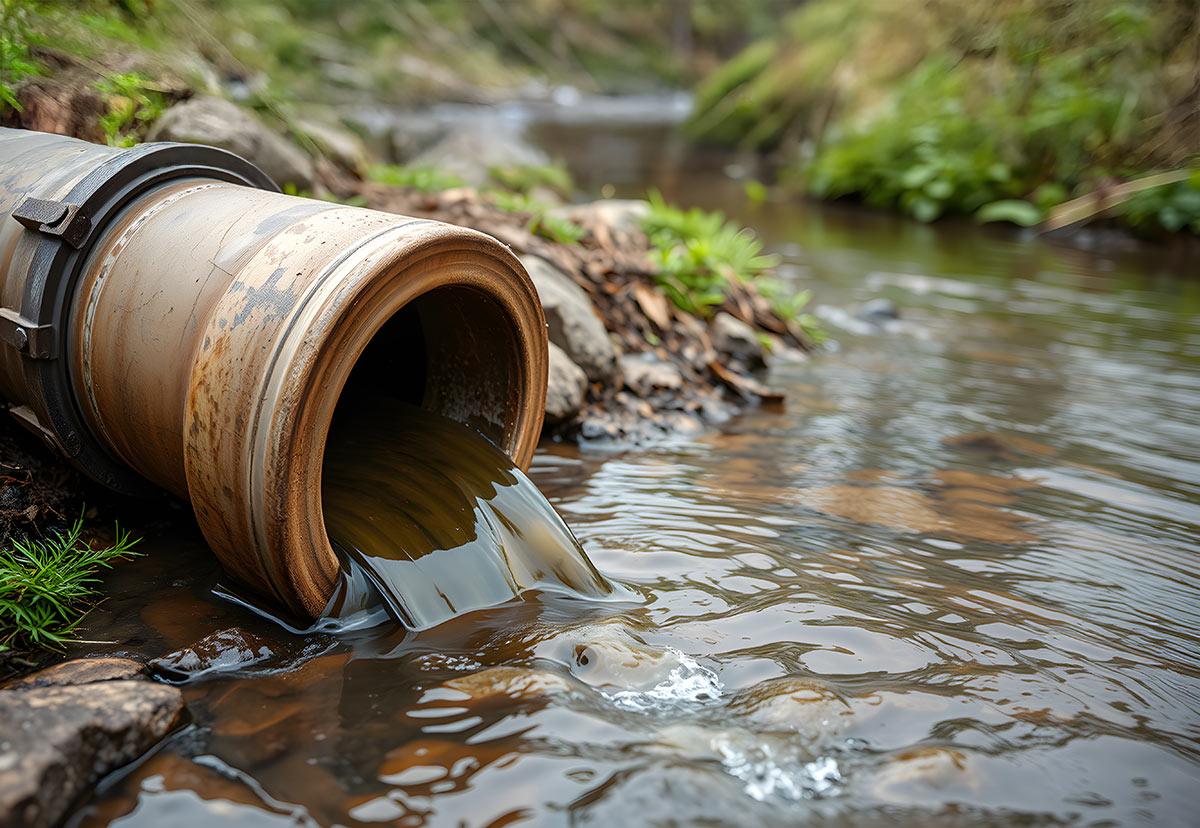
Wastewater treatment is a critical component of eco-friendly waste management, particularly for businesses in industries that produce large quantities of wastewater, such as food and beverage processing, agriculture, and manufacturing. Eco-friendly wastewater treatment systems help businesses minimise water pollution and reduce their water consumption by recycling and reusing treated water.
Key eco-friendly wastewater treatment solutions include:
- Biological Treatment: Biological treatment systems, such as activated sludge processes and constructed wetlands, use microorganisms to break down organic matter in wastewater. This method is energy-efficient and environmentally friendly, as it relies on natural processes to treat waste.
- Membrane Filtration: Technologies like reverse osmosis and ultrafiltration use membrane filters to remove contaminants from wastewater. These systems are highly effective at producing clean, reusable water, reducing the need for freshwater consumption.
- Anaerobic Digestion: Anaerobic digestion is a process that breaks down organic waste in the absence of oxygen, producing biogas as a byproduct. This renewable energy source can be used to power industrial processes or generate electricity, reducing a business’s reliance on fossil fuels.
By implementing these eco-friendly wastewater treatment solutions, businesses can reduce their water consumption, lower operating costs, and contribute to the conservation of local water resources.
2. Waste-to-Energy Solutions
Waste-to-energy (WTE) solutions are an innovative and sustainable approach to waste treatment that allows businesses to convert waste into usable energy. This method not only reduces the amount of waste sent to landfills but also provides a renewable energy source, helping businesses lower their carbon emissions and energy costs.
Common waste-to-energy technologies include:
- Incineration with Energy Recovery: Incineration can be a sustainable waste treatment solution when combined with energy recovery. The heat generated from burning waste is used to produce steam, which powers turbines to generate electricity. Modern incineration facilities are equipped with advanced filtration systems to minimise air pollution.
- Anaerobic Digestion (Biogas Production): As mentioned earlier, anaerobic digestion is a process that breaks down organic waste to produce biogas. This biogas can be used to generate electricity or heat, reducing the need for conventional energy sources.
- Pyrolysis and Gasification: These processes involve the thermal decomposition of waste in low-oxygen environments to produce synthetic gases (syngas) that can be used to generate electricity or create biofuels. Pyrolysis and gasification are effective for treating a wide range of waste materials, including plastics, biomass, and organic waste.
By turning waste into energy, businesses can reduce their waste disposal costs, decrease reliance on non-renewable energy, and contribute to the circular economy.
3. Composting and Organic Waste Recycling
For businesses in the hospitality, food service, and agriculture sectors, managing organic waste is a significant challenge. Rather than sending organic waste to landfills, where it contributes to methane emissions, businesses can implement composting or organic waste recycling programmes.
Benefits of composting and organic waste recycling include:
- Reduction of Greenhouse Gas Emissions: Organic waste decomposing in landfills produces methane, a potent greenhouse gas. Composting converts organic waste into nutrient-rich compost through aerobic decomposition, significantly reducing methane emissions.
- Soil Enrichment: The compost produced can be used to improve soil quality in agricultural operations, landscaping, or community gardens, contributing to sustainable land management.
- Cost Savings: Many businesses can reduce waste disposal costs by diverting organic waste from landfills. Composting can also help businesses comply with regulations that limit organic waste in landfills.
Composting and organic waste recycling are low-cost, high-impact solutions that allow businesses to minimise their environmental footprint while contributing to local sustainability initiatives.
4. Recycling and Material Recovery
Recycling is one of the most well-known eco-friendly waste treatment solutions, and businesses can play a significant role in promoting the circular economy by recycling materials such as paper, plastic, metal, and glass. By properly sorting and processing these materials, businesses can reduce the demand for virgin resources and minimise their contribution to environmental degradation.
Key benefits of recycling and material recovery include:
- Reduction in Resource Extraction: Recycling reduces the need for mining, deforestation, and other resource-extraction activities, preserving natural ecosystems and biodiversity.
- Energy Savings: Producing new products from recycled materials generally requires less energy than manufacturing from raw materials. This helps businesses lower their overall energy consumption and reduce carbon emissions.
- Waste Diversion: By diverting recyclable materials from landfills and incineration, businesses can reduce their waste disposal costs and minimise the environmental impact of their operations.
To make recycling programmes effective, businesses must implement proper waste sorting systems and educate employees about recycling best practices. Partnering with local recycling facilities or waste management providers can ensure that materials are processed correctly and efficiently.
5. Sustainable Packaging and Waste Reduction
Prevention is always better than cure, and one of the most effective ways for businesses to reduce their environmental impact is to minimise waste generation in the first place. Sustainable packaging and waste reduction initiatives can significantly lower the volume of waste a business produces, leading to cost savings and a reduced carbon footprint.
Sustainable packaging strategies include:
- Using Recycled Materials: Businesses can choose packaging made from recycled materials to reduce the demand for virgin resources and promote the circular economy.
- Reducing Packaging Waste: By designing packaging that uses less material or opting for minimal, eco-friendly packaging options, businesses can reduce the amount of waste generated.
- Biodegradable and Compostable Packaging: Switching to packaging that is biodegradable or compostable can help businesses lower their environmental impact, especially in industries that generate a large volume of single-use packaging.
By rethinking packaging design and opting for eco-friendly materials, businesses can not only reduce waste but also appeal to environmentally conscious consumers.
The Benefits of Eco-Friendly Waste Treatment Solutions
Adopting eco-friendly waste treatment solutions provides businesses with numerous benefits, including:
- Regulatory Compliance: Many governments are tightening regulations around waste management and environmental protection. By implementing sustainable waste treatment practices, businesses can ensure compliance with these regulations and avoid fines or legal issues.
- Cost Savings: While some eco-friendly solutions may require an initial investment, they often result in long-term cost savings through reduced waste disposal fees, lower energy costs, and more efficient resource use.
- Improved Brand Image: Consumers and stakeholders are increasingly prioritising sustainability. Businesses that demonstrate a commitment to environmental responsibility can enhance their brand reputation, attract eco-conscious customers, and differentiate themselves in the market.
- Environmental Impact: Perhaps most importantly, eco-friendly waste treatment solutions contribute to the protection of natural resources, reduction of pollution, and the preservation of ecosystems for future generations.
Conclusion
Eco-friendly waste treatment solutions are essential for businesses looking to minimise their environmental impact, reduce costs, and stay ahead of regulatory requirements. By investing in sustainable wastewater treatment, waste-to-energy technologies, composting, recycling, and waste reduction initiatives, businesses can contribute to a greener, more sustainable future. Embracing these solutions not only benefits the environment but also provides long-term advantages for businesses, helping them operate more efficiently while demonstrating their commitment to sustainability.